
Moving to Raleigh, NC: What You Need to Know Before You Move

Moving to Raleigh, NC: What You Need to Know Before You Move
By Jared Hill | The EASE Group at eXp Realty
Thinking about moving to Raleigh, North Carolina? Whether you're relocating from another state or making a move from elsewhere in NC, choosing the right place to live involves more than finding a home you like.
Raleigh is part of a much larger region known as the Triangle, where neighboring communities can offer very different experiences. You might find yourself comparing a home in North Raleigh with one in Wake Forest, exploring newer construction in Knightdale, or considering Durham because of your work location.
The key is understanding how your lifestyle, budget, commute, and long-term plans fit together before narrowing your home search.
Here's what I'd encourage you to consider before making your move.
1. Get to Know Raleigh and the Surrounding Triangle
One of the first things to understand is that moving to Raleigh doesn't necessarily mean you need to live within Raleigh city limits.
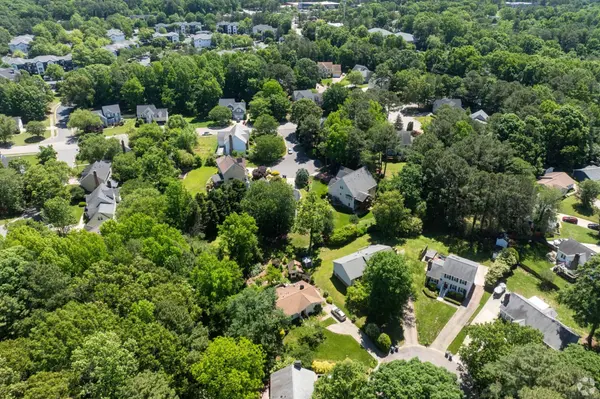
Wake County and the surrounding region offer a variety of communities, each with its own housing options, amenities, and character.
Raleigh: Variety and Convenience
Raleigh offers everything from established neighborhoods near downtown and Inside the Beltline to newer residential communities farther north and east.
If you're looking for restaurants, entertainment, parks, shopping, or access to major employment areas, Raleigh provides plenty of options. The challenge is deciding which part of the city makes the most sense for your daily routine.
Two homes with Raleigh addresses can offer very different commuting experiences, neighborhood settings, and price points.
Wake Forest: Established Neighborhoods and New Growth
Located north of Raleigh, Wake Forest combines a historic downtown with established residential areas and newer communities.
Neighborhoods such as Heritage, Traditions, and Holding Village are among the options buyers may want to explore, depending on their housing preferences.
Wake Forest can be especially worth considering if you're interested in living north of Raleigh, but you'll want to evaluate travel times carefully if your work regularly takes you to downtown Raleigh, RTP, or Durham.
Knightdale: An Option East of Raleigh
Knightdale deserves a closer look from buyers who want to explore communities east of Raleigh.
With access to major roadways, existing neighborhoods, and newer residential development, Knightdale offers another option for buyers comparing homes throughout Wake County.
It's also worth exploring alongside nearby Wendell and eastern Raleigh, particularly if you're trying to balance home features, location, and your budget.
Durham and Other Triangle Communities
Depending on your job location and lifestyle, Durham, Cary, Morrisville, Apex, and other nearby communities may also be worth considering.
Durham offers distinctive neighborhoods and access to Duke University and Research Triangle Park. Cary and Morrisville are frequently part of the conversation for buyers evaluating locations near RTP.
There isn't one community that's right for everyone. The better approach is to identify the areas that match your specific priorities before you start touring homes.
2. Don't Choose a Neighborhood Based on Distance Alone
One of the biggest mistakes you can make when relocating is choosing a home based entirely on how close it appears to your workplace on a map.
A 15-mile commute can feel very different depending on the roads involved, your work schedule, and traffic patterns.
Before deciding where to live, consider:
-
Where you'll work and how often you'll commute.
-
Whether you'll need regular access to Raleigh, Durham, RTP, or RDU International Airport.
-
How close you want to be to shopping, recreation, and other everyday destinations.
-
Whether you prefer an established neighborhood, newer development, or a more rural setting.
If you're moving from out of state, I recommend evaluating potential routes during the hours you'd normally be traveling.
And if you work remotely, you may have more flexibility to prioritize the home and community over commute distance.
3. Understand the Costs Beyond the Purchase Price
Your homebuying budget should account for more than the asking price.
In addition to your down payment and monthly mortgage payment, consider property taxes, homeowners insurance, potential HOA dues, closing costs, and maintenance.
For new construction, it's also important to understand which features are included in the advertised price and which may require additional spending.
If you're moving from another state, don't assume the costs or purchasing process will be identical to what you've experienced elsewhere.
Before touring homes, I recommend speaking with a lender who can help you understand your financing options and estimated monthly payment based on your circumstances.
That gives us a more useful starting point than searching by purchase price alone.
4. Learn How Buying a Home in North Carolina Works
If you've purchased property in another state, some aspects of the North Carolina process may be unfamiliar.
Two terms you'll hear frequently are due diligence fee and earnest money deposit.
A due diligence fee, when negotiated, is generally paid directly to the seller. It is typically nonrefundable, subject to certain exceptions, and is credited toward the purchase if the transaction closes.
Earnest money is generally held in escrow and handled according to the terms of the contract.
The amounts, deadlines, and protections involved matter, so it's important to understand your obligations before submitting an offer.
North Carolina's due diligence period also provides an opportunity to investigate the property, including arranging inspections and reviewing information that could affect your purchasing decision.
I previously covered these differences in more detail in my article, Due Diligence vs. Earnest Money in North Carolina: What's the Difference?
Understanding these terms before finding your ideal home can help you make more informed decisions when it's time to negotiate.
5. You Can Start Your Home Search Before Arriving
Relocating doesn't always allow for multiple house-hunting trips.
Fortunately, there are ways to make meaningful progress before you physically arrive in the Triangle.
We can begin by discussing your priorities, identifying potential communities, reviewing available listings, and narrowing down properties worth considering.
Virtual tours and video walkthroughs can be especially helpful when you're evaluating homes from a distance.
However, a virtual tour shouldn't replace careful due diligence. Property condition, surrounding development, road noise, and other details may require additional investigation or an in-person visit.
My goal is to help you understand both the home and its location so you can make a decision based on more than listing photos.
6. Give Yourself Time to Compare Communities
If possible, start researching your move before you're under pressure to make a quick decision.
Your timeline will depend on your financing, current housing situation, relocation schedule, and available inventory.
Some buyers are ready to purchase immediately. Others benefit from exploring neighborhoods first or arranging temporary housing while they become familiar with the area.
Neither approach is automatically better.
What matters is having a plan that accounts for your circumstances and gives you enough information to move forward confidently.
7. Work With an Agent Who Understands Your Priorities
Relocating to a new community involves a series of connected decisions.
Where should you focus your search? How does one neighborhood compare with another? What should you know about a particular property? How do you structure an offer that fits your goals?
Those are the conversations I enjoy having with buyers.
I'm Jared Hill, a REALTOR® with The EASE Group at eXp Realty, helping buyers and sellers throughout Raleigh, Wake Forest, Knightdale, Durham, and surrounding Triangle communities.
Whether you're moving across the country or across North Carolina, my approach is to understand what matters to you, help you evaluate your options, and provide straightforward guidance throughout the process.
Planning a Move to Raleigh, NC?
Relocating to a new area involves more than finding the right house. It's about finding a community that fits your lifestyle, commute, budget, and long-term goals.
Whether you're considering Raleigh, Wake Forest, Knightdale, Durham, or another part of the Triangle, I'd be happy to help you get familiar with the area, compare neighborhoods, and explore homes that fit what you're looking for.
You don't have to have everything figured out before reaching out. Even if your move is several months away, we can start with a conversation about your plans.
Let's Get Started With Your Move
Jared Hill, REALTOR®
The EASE Group at eXp Realty
919-426-3087
myagentjared@gmail.com
Recent Posts